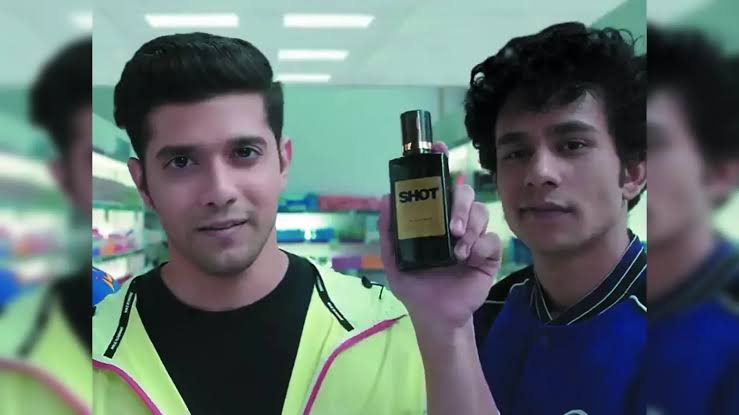
The Layer's Shot ad ban represents a clear-cut case of regulatory intervention in Indian advertising. Unlike the subjective controversies that often divide public opinion, this case demonstrates what happens when an advertisement definitively crosses the boundaries established by the Advertising Standards Council of India (ASCI).
What Was the Layer's Shot Campaign?
In 2023, Layer's Shot—a perfume and personal care brand—launched an advertising campaign intended to position their fragrance as bold, edgy, and appealing to a young, rebellious demographic. The campaign employed provocative scenarios designed to capture attention in a crowded market.
The Creative Concept Behind the Ad
The advertisement depicted scenarios simulating gang activities and situations that ASCI later determined were indecent and inappropriate for public advertising. While the brand intended to create an edgy, provocative image for their perfume product, the execution crossed into territory that violated established advertising standards.
The creative approach relied on shock value and controversy to generate buzz, a strategy that has worked for some brands in other markets but faced strict regulatory response in India.
The Campaign's Strategic Intent
From Layer's Shot's perspective, the campaign aimed to:
- Position the brand as bold and unconventional
- Capture attention in the competitive perfume market
- Appeal to younger consumers through edgy messaging
- Generate word-of-mouth through controversial content
"The creative team misunderstood the boundaries of acceptable content under ASCI Chapter III. This represents a clear RV-01 (Regulatory Violation / Indecent Content) classification with predictable enforcement outcomes."
Why Did ASCI Ban the Layer's Shot Advertisement?
The ASCI ban on Layer's Shot was based on clear violations of the advertising code, specifically Chapter III which governs indecent, vulgar, and offensive representations.
ASCI Chapter III Violations
The Advertising Standards Council of India's Chapter III states:
- Clause 1: Advertisements shall not be indecent, vulgar, or repulsive
- Clause 2: Advertisements shall not contain anything indecent or repulsive which is likely to cause grave and widespread offense
- Clause 3: Advertisements shall not present criminality as desirable
- Clause 4: Advertisements shall not promote antisocial behavior
Layer's Shot's advertisement was found to violate multiple clauses by depicting scenarios that simulated gang activities and contained indecent content.
The Gang Scenario Simulation
A critical factor in ASCI's decision was the depiction of scenarios resembling gang activities. Indian advertising regulations specifically prohibit:
- Content that normalizes or glorifies criminal behavior
- Scenarios that could be interpreted as promoting violence
- Situations that depict antisocial activities in a positive light
- Imagery associated with organized crime or gang culture
ASCI determined that Layer's Shot's creative approach crossed these boundaries, regardless of the brand's intent to be edgy or provocative.
Public Complaint Process
The ban followed ASCI's standard complaint handling process:
- Consumer complaints were received about the advertisement
- ASCI's Consumer Complaints Council reviewed the content
- The advertisement was evaluated against Chapter III guidelines
- A formal ban was issued with directive to withdraw the ad
- The decision was published on ASCI's website and communications
The Immediate Fallout: Regulatory Compliance
Following the ASCI ban, Layer's Shot faced immediate compliance requirements:
Mandatory Withdrawal
Under ASCI regulations, the brand was required to:
- Immediately withdraw the banned advertisement from all media channels
- Remove the content from digital platforms and social media
- Cease all broadcast of the banned material
- Submit compliance confirmation to ASCI
Reputational Consequences
Beyond regulatory compliance, the ban carried significant reputational impact:
- Public disclosure of the ban on ASCI's official channels
- Media coverage of the regulatory action
- Damage to brand credibility and trust
- Potential impact on retail and distribution partnerships
Financial and Business Impact
ASCI bans carry significant financial consequences:
| Impact Area | Estimated Effect |
|---|---|
| Production Investment | Complete loss |
| Media Spending | Wasted allocation |
| Replacement Campaign | Additional investment required |
| Regulatory Penalties | Potential future scrutiny |
Critical Brand Safety Lessons from the Layer's Shot Ban
The Layer's Shot case offers essential lessons for brand managers, copywriters, and creative directors:
1. Know the Regulatory Boundaries
ASCI's guidelines are publicly available and clearly define prohibited content. Brands have no excuse for creating advertisements that violate Chapter III. Pre-campaign regulatory review should be standard practice.
2. 'Edgy' Has Different Meanings in Different Markets
Marketing strategies that work in Western markets may violate Indian standards. Content that might pass in Europe or America can face strict prohibition in India. Local regulatory context must inform creative decisions.
3. Perfume Ads Face Heightened Scrutiny
Personal care and perfume advertisements have historically faced increased regulatory attention for suggestive content. Brands in these categories should exercise additional caution and anticipate stricter review.
4. Gang and Criminal Imagery is Strictly Prohibited
Indian advertising codes explicitly prohibit content that depicts, simulates, or glorifies criminal activities. Even metaphorical or stylized representations can trigger bans.
5. Pre-Screening Saves Money and Reputation
ASCI offers pre-screening services for advertisements. The cost of pre-screening is negligible compared to the financial and reputational costs of a formal ban.
How BrandCheck Pro Prevents Regulatory Violations
The Layer's Shot case demonstrates why automated regulatory compliance checking is essential. BrandCheck Pro's AI-powered analysis evaluates copy against ASCI guidelines:
- Indecent Content Detection (35% weight): Flags potentially vulgar or offensive material
- Criminal Activity Simulation (30% weight): Identifies content depicting or suggesting illegal activities
- ASCI Code Alignment (25% weight): Cross-references content against specific ASCI clauses
- Industry-Specific Risk (10% weight): Applies heightened scrutiny to regulated categories like perfume
Ready to Ensure ASCI Compliance?
Don't risk an official ASCI ban. Analyze your advertisements for regulatory compliance before submission.
Analyze Your Copy NowFrequently Asked Questions About the Layer's Shot Ban
Why was the Layer's Shot ad banned by ASCI?
What was shown in the Layer's Shot banned advertisement?
What are the consequences of an ASCI ad ban?
What lessons can brands learn from the Layer's Shot ban?
How can brands ensure ASCI compliance for their advertisements?
Related Case Studies
Explore other advertising controversies and brand crisis examples from India:
- Tanishq Ekatvam Controversy: Inter-Faith Advertising Backlash
- Zomato Kachra Campaign: Caste Sensitivity in Creative Metaphors
- FabIndia Jashn-e-Riwaaz Controversy: When Language Becomes Political
- Manyavar Kanyamaan: Challenging Hindu Wedding Traditions
Conclusion: The Clear Cost of Regulatory Non-Compliance
The Layer's Shot ad ban demonstrates that ASCI regulations are not optional guidelines but enforceable standards. Unlike subjective controversies where public opinion may be divided, regulatory violations carry clear consequences that no amount of creative intent can excuse.
For brand managers, the takeaway is unambiguous: regulatory compliance must be built into the creative process from the beginning. Pre-screening, legal review, and automated compliance checking are not bureaucratic obstacles but essential protections against costly bans.
Tools like BrandCheck Pro provide automated ASCI compliance checking—flagging potential Chapter III violations before campaigns are submitted, saving brands from the financial and reputational costs of official bans.