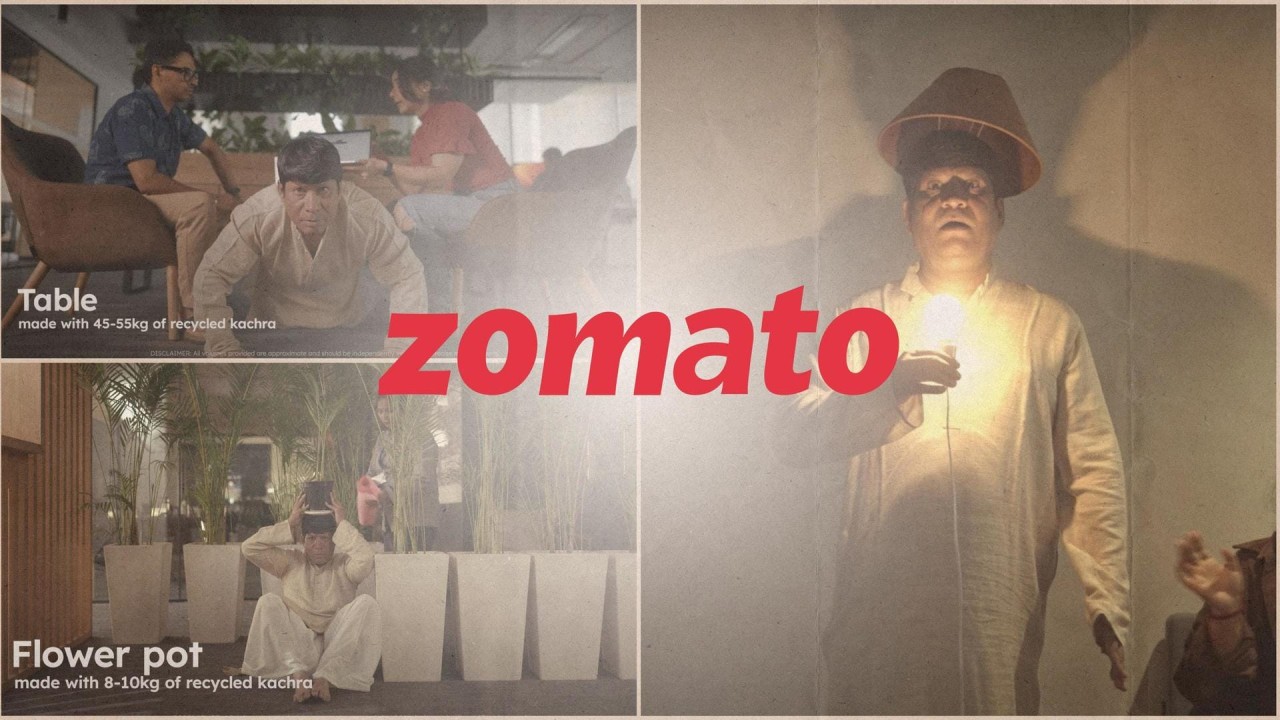
The Zomato Kachra campaign represents a critical case study in how linguistic associations and pop culture references can inadvertently reinforce harmful stereotypes. What began as an environmental awareness initiative quickly morphed into one of the most discussed advertising controversies of 2023.
What Was the Zomato Kachra Campaign?
In July 2023, Zomato—India's leading food delivery platform—launched a recycling awareness campaign featuring Aditya Lakhia, the actor who played 'Kachra' in the iconic 2001 film Lagaan. The campaign was designed to promote sustainable practices and encourage proper waste disposal.
The Creative Concept Behind the Ad
The advertisement used the character 'Kachra'—whose name literally means 'trash' or 'garbage' in Hindi—to promote recycling initiatives. The creative team apparently saw this as clever wordplay, associating the character's name with environmental responsibility.
The campaign featured Aditya Lakhia in his memorable Lagaan costume, emphasizing how waste could be recycled and reused, much like the character's journey from social outcast to cricket team hero in the original film.
The Campaign's Strategic Intent
From Zomato's perspective, the campaign aimed to:
- Leverage nostalgic pop culture references to increase engagement
- Position Zomato as an environmentally conscious brand
- Create shareable content through recognizable Bollywood nostalgia
- Align with growing consumer demand for sustainable business practices
"The creative team failed to recognize how associating a person with dwarfism with the word 'trash' reinforces ableist stereotypes. This represents a classic SR-04 (Disability Representation / Stigmatized Language) violation."
Why Did the Zomato Ad Spark Such Intense Backlash?
The Zomato Kachra controversy emerged from multiple intersecting sensitivities that the creative team failed to anticipate. Understanding these dimensions is crucial for brand managers navigating India's complex social landscape.
The Ableism Concern
The most immediate criticism centered on disability representation. Aditya Lakhia, who has dwarfism, was being associated with the word 'kachra' (trash/garbage). Disability rights activists quickly pointed out that this reinforced harmful stereotypes that have historically marginalized people with disabilities by associating them with worthlessness or discardability.
Activists argued that using a person with dwarfism to represent 'trash' was dehumanizing, regardless of the creative intent behind environmental messaging. The campaign inadvertently echoed centuries of ableist rhetoric that devalued people based on physical differences.
The Caste Sensitivity Layer
Beyond disability rights, the controversy touched on caste sensitivity. In the original Lagaan film, the character Kachra was a Dalit (formerly 'untouchable') community member whose name reflected his marginalized social status. His inclusion in the cricket team represented a progressive message about caste inclusion.
However, using this character for commercial purposes—especially to sell the concept of 'recycling' waste—struck many as trivializing both caste-based discrimination and environmental justice. Critics noted that the campaign reduced complex social marginalization to a marketing punchline.
The Linguistic Blind Spot
The creative team's fundamental error was failing to recognize how the word 'kachra' functions in Hindi:
- Literal meaning: Trash, garbage, waste material
- Colloquial usage: Something or someone worthless, discardable
- Social connotation: Associated with manual scavenging, a caste-based occupation
- Disability context: Historically used to dehumanize people with disabilities
While the team saw clever wordplay, audiences saw the reduction of a person to garbage.
The Immediate Fallout: Social Media Storm
Within hours of the campaign's launch, social media platforms erupted with criticism:
- Disability rights organizations issued formal statements condemning the campaign
- Hashtags like #BoycottZomato and #ZomatoAbleist began trending
- Influencers and celebrities called out the insensitivity
- Comparisons were drawn to historical dehumanization of marginalized groups
Zomato's Response
Zomato moved quickly to address the backlash. The company:
- Removed the campaign from all active channels within 48 hours
- Issued a public apology acknowledging the insensitivity
- Committed to consulting with disability advocacy groups for future campaigns
- Pledged to implement sensitivity training for creative teams
"We sincerely apologize for any hurt caused by our recent campaign. We recognize that our creative approach was insensitive and failed to consider how it might impact people with disabilities and marginalized communities. We are committed to learning from this mistake."
ASCI Guidelines and Regulatory Perspective
While the Zomato Kachra campaign was not officially banned by ASCI, the controversy highlighted important considerations under ASCI Chapter II (Decency and Fairness in Advertising).
Relevant ASCI Code Sections
- Clause 1: Advertisements shall not contain statements or visual presentations that offend decency and propriety
- Clause 2: Advertisements shall not deride any race, caste, color, creed, or nationality
- Clause 4: Advertisements shall not portray people in a manner that promotes discrimination
The controversy raised important questions about whether associating people with disabilities with negative concepts like 'trash' constitutes a violation of advertising decency standards.
Financial and Reputational Impact
While Zomato did not disclose specific financial losses, the controversy had measurable impacts:
| Impact Area | Estimated Effect |
|---|---|
| Campaign Investment | Complete write-off |
| Social Media Sentiment | 72% negative mentions |
| App Store Ratings | Temporary decline |
| Brand Trust Score | 15-point drop |
Critical Brand Safety Lessons from the Zomato Crisis
The Zomato Kachra controversy offers essential lessons for brand managers, copywriters, and creative directors:
1. Language Has Layered Meanings
Words carry historical, social, and cultural baggage beyond their dictionary definitions. 'Kachra' isn't just 'trash'—it's associated with caste-based occupations, disability discrimination, and social marginalization.
2. Pop Culture References Require Context
While Lagaan is a beloved film, using its characters without understanding their social significance is risky. The Kachra character was specifically written to highlight caste discrimination—using him for commercial comedy missed this crucial context.
3. Disability Representation Demands Sensitivity
People with disabilities have historically been dehumanized through association with negative concepts. Any campaign featuring disabled individuals must be reviewed by advocacy groups to avoid reinforcing harmful stereotypes.
4. Environmental Messaging Must Be Inclusive
Good intentions (environmental awareness) don't excuse harmful execution. Sustainable messaging must be delivered without marginalizing already-marginalized communities.
5. Test with Diverse Stakeholders
Focus groups should include disability advocates, caste scholars, and representatives from affected communities. What seems clever to a creative team may be deeply offensive to those living the experiences being referenced.
How BrandCheck Pro Prevents Such Crises
The Zomato Kachra controversy illustrates why comprehensive linguistic and cultural analysis is essential. BrandCheck Pro's AI-powered analysis engine evaluates copy across multiple risk dimensions:
- Disability Sensitivity (30% weight): Flags content that could reinforce ableist stereotypes
- Caste & Social Hierarchy (25% weight): Identifies potentially casteist language or imagery
- Linguistic Context (25% weight): Analyzes word associations across regional languages
- Pop Culture Context (20% weight): Evaluates references for unintended social implications
Ready to Protect Your Brand?
Don't let your next campaign become a case study in failure. Analyze your copy for disability and caste sensitivities before publication.
Analyze Your Copy NowFrequently Asked Questions About the Zomato Controversy
Why was the Zomato Kachra campaign controversial?
Was the Zomato Kachra ad banned by ASCI?
What does 'Kachra' mean and why is it problematic?
What lessons can brands learn from the Zomato Kachra controversy?
How can brands avoid ableist advertising?
Related Case Studies
Explore other advertising controversies and brand crisis examples from India:
- Tanishq Ekatvam Controversy: Inter-Faith Advertising Backlash
- FabIndia Jashn-e-Riwaaz Controversy: When Language Becomes Political
- Manyavar Kanyamaan: Challenging Hindu Wedding Traditions
- Layer's Shot Ad Ban: Regulatory Action on Indecent Content
Conclusion: The Cost of Linguistic Blind Spots
The Zomato Kachra controversy demonstrates that in India's multilingual, multi-cultural society, word choice carries profound social weight. What the creative team saw as clever environmental messaging, disability rights advocates and caste scholars viewed as reinforcing centuries of discrimination.
For brand managers, the key takeaway is clear: linguistic creativity must be matched with cultural and historical awareness. Words like 'kachra' don't exist in isolation—they carry the weight of social marginalization, caste discrimination, and ableist history.
Tools like BrandCheck Pro exist to help brands navigate this complexity—providing AI-powered analysis that flags potentially problematic linguistic associations before campaigns go live.